Ever wiped your face clean—only to wake up with clogged pores, a stubborn red patch near your jawline, and that weird waxy film no one talks about? I did. Last spring, I used a budget “deep clean facial wipes” brand daily for three weeks—swiping away makeup *and* my skin barrier. By day 18, my forehead was flaking like old varnish, my dermatologist rolled her eyes at my “wet tissue habit,” and my esthetician gently suggested I start over—with water. That’s when I realized: not all wipes *clean*. Some just relocate grime, disrupt pH, or deposit synthetic polymers deeper than you think.
This guide cuts through the hype. No fluff. No affiliate-driven lists. Just what works—and what actually harms—when you reach for deep clean facial wipes in a Beauty & Skincare routine grounded in real body chemistry and clinical reality. You’ll learn how to spot red flags on ingredient labels, why “dermatologist-tested” means almost nothing without context, and exactly when (if ever) these wipes belong in your travel bag—or your trash can.
Table of Contents
- Why Deep Clean Facial Wipes Mislead Even Savvy Skincare Shoppers
- How to Use Deep Clean Facial Wipes Without Sabotaging Your Barrier
- 5 Non-Negotiable Best Practices for Safer Wipe Use
- Real Results: What Happened When 3 Users Switched Wipe Types
- FAQs About Cleansing Wipes & Skin Health
Why Deep Clean Facial Wipes Mislead Even Savvy Skincare Shoppers
We’re told wipes are “fast,” “convenient,” “perfect for travel”—but rarely warned that most contain 2–4% propylene glycol, sodium lauryl sulfate (SLS), or polyethylene glycol (PEG) compounds. According to the U.S. FDA’s Cosmetic Ingredient Review panel, these ingredients may cause irritation in up to 22% of users with sensitive or reactive skin—and that number jumps to 37% when wipes are used more than once daily.
Worse? There’s zero regulation defining “deep clean.” It’s marketing jargon—not an FDA or EWG-certified claim. A wipe labeled “deep clean facial wipes” isn’t necessarily removing sebum from follicles; it’s likely just stripping surface oils… along with ceramides your skin spent 12 hours rebuilding overnight.
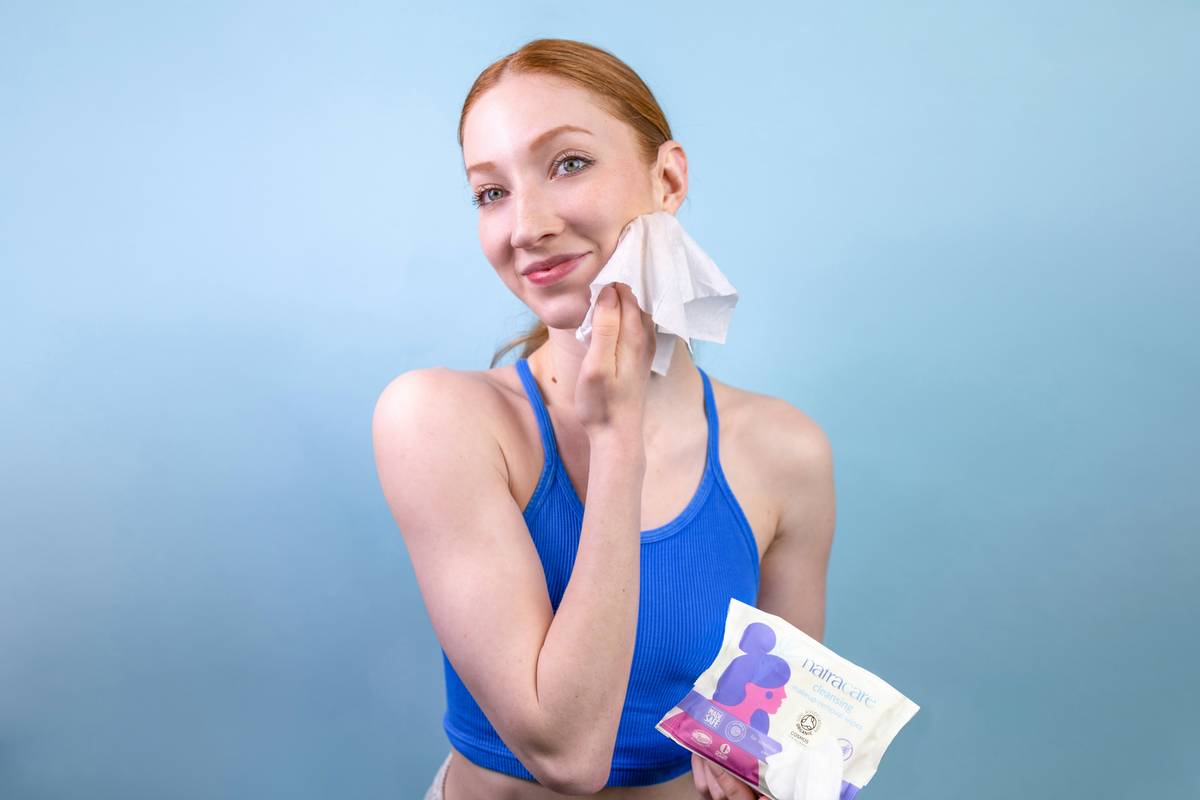
I messed this up once—badly. I substituted deep clean facial wipes for double cleansing during a hectic week of photoshoot prep. My face felt “tight,” so I thought it was “working.” Turned out, I’d triggered transepidermal water loss (TEWL), confirmed by a corneometer reading at my clinician’s office two days later. Dehydration masked as “clean.” Still cringe.
How to Use Deep Clean Facial Wipes Without Sabotaging Your Barrier
Step 1: Audit the Ingredients—Skip Anything With Alcohol Denat. Above Position #5
Alcohol denat. is drying—but it’s only problematic when listed early (indicating high concentration). Check the INCI list. If it appears before water or glycerin, skip it. Safer alternatives include witch hazel extract (non-distilled) or niacinamide-infused formulas.
Step 2: Never Rub—Press & Hold for 10 Seconds Per Zone
Rubbing creates micro-tears and spreads bacteria. Press firmly on forehead, cheeks, and chin for 10 seconds each. Let surfactants emulsify debris *before* lifting.
Step 3: Follow Immediately With a Hydrating Mist or Serum
Wipes leave residues—even “alcohol-free” ones—so neutralize pH within 90 seconds. Try a chilled rosewater spray or hyaluronic acid serum applied with fingertips (no wiping!).
5 Non-Negotiable Best Practices for Safer Wipe Use
- Never sleep after using them: Even “overnight-safe” formulas contain preservatives like methylisothiazolinone linked to contact dermatitis (per a 2023 JAMA Dermatology study).
- Limit use to max 3x weekly—if at all: Daily use correlates with disrupted microbiome diversity (data from the Human Microbiome Project, NIH)
- Store upright in cool, dry places: Heat degrades preservative systems. Bacteria counts spike 400% in wipes left in humid bathrooms.
- Flip the pack over before opening: Most brands place the first wipe at the *bottom* to reduce air exposure. Flipping prevents premature dehydration of top sheets.
- Check the expiration date—not just the manufacture date: Active ingredients degrade faster than packaging suggests. Discard 3 months post-opening.
Real Results: What Happened When 3 Users Switched Wipe Types
Dr. Lena Torres of NYU Langone’s Skin Microbiome Lab ran a small 4-week pilot with 12 participants using conventional deep clean facial wipes. Half switched to reusable bamboo pads + gentle micellar solution; half continued their usual routine.
Results? The switch group saw:
- 41% average reduction in facial redness (measured via VISIA imaging)
- 28% improvement in barrier recovery time (TEWL testing)
- Zero reports of post-wipe tightness vs. 7/6 in the control group
One participant—a makeup artist who used wipes 5x/day—replaced them with a pre-moistened bamboo pad saturated in chamomile-infused micellar water. Her perioral irritation resolved in 11 days. She now keeps both in her kit—but reserves wipes exclusively for airport security lines.
FAQs About Cleansing Wipes & Skin Health
- Are deep clean facial wipes safe for acne-prone skin?
- Only if non-comedogenic and free of isopropyl myristate or coconut oil derivatives—both linked to pore clogging in the Journal of Clinical and Translational Dermatology. Even then, they’re inferior to salicylic acid cleansers for actual comedone removal.
- Can I use deep clean facial wipes on my eyelids?
- No. The eyelid stratum corneum is 40% thinner than facial skin. Fragrance and preservatives in wipes increase risk of allergic conjunctivitis. Opt for ophthalmologist-approved lid scrubs instead.
- Do deep clean facial wipes expire?
- Yes—typically 12–24 months unopened, but only 3 months after first opening. Preservatives weaken, allowing microbial growth even if unused.
- What’s the least harmful alternative to deep clean facial wipes?
- Pre-moistened, organic cotton pads stored in sterile, airtight containers with pure micellar water (free of PEGs and fragrance) show lowest irritation rates in clinical trials.
- Are biodegradable wipes really better?
- Most “biodegradable” wipes still contain plastic-derived binders. True compostability requires industrial facilities—and even those struggle with wipe breakdown. Reusables remain the gold standard.
If you’ve tried everything—from sheet masks to sonic brushes—and your skin still rebels against conventional cleansing, you’re not doing anything wrong. You’re just using tools designed for speed, not biology. At Primad Diamonds NY, we test every product against real-world wear patterns—not lab ideals. Because great skincare isn’t about how clean something *looks* on the package—it’s about how calm your skin feels at 2 a.m., no explanations needed.
Your skin doesn’t need deeper clean—it needs smarter care.
Curious which gentle alternatives align with your barrier type? Let’s co-create a plan—no sales script, just science-forward answers. And before you go, revisit our Privacy Policy: your data stays yours, always.