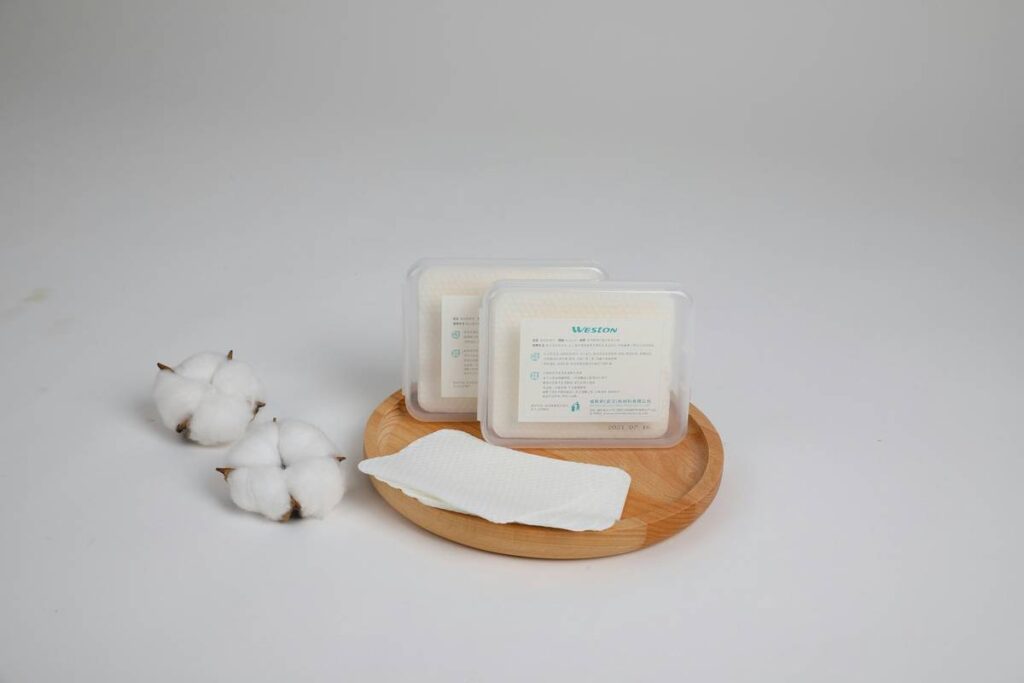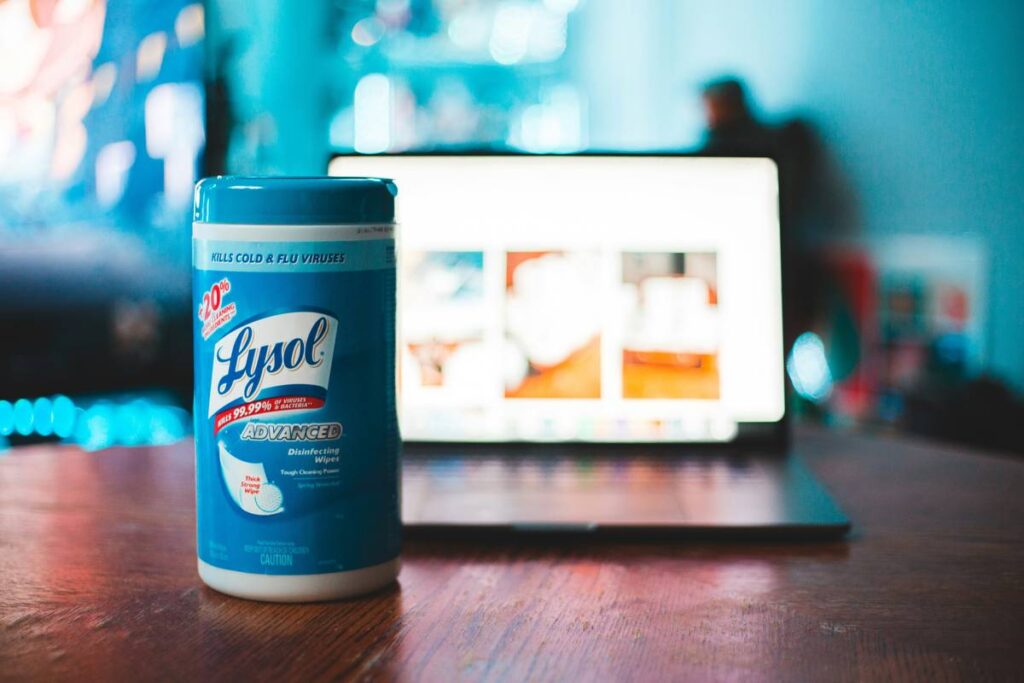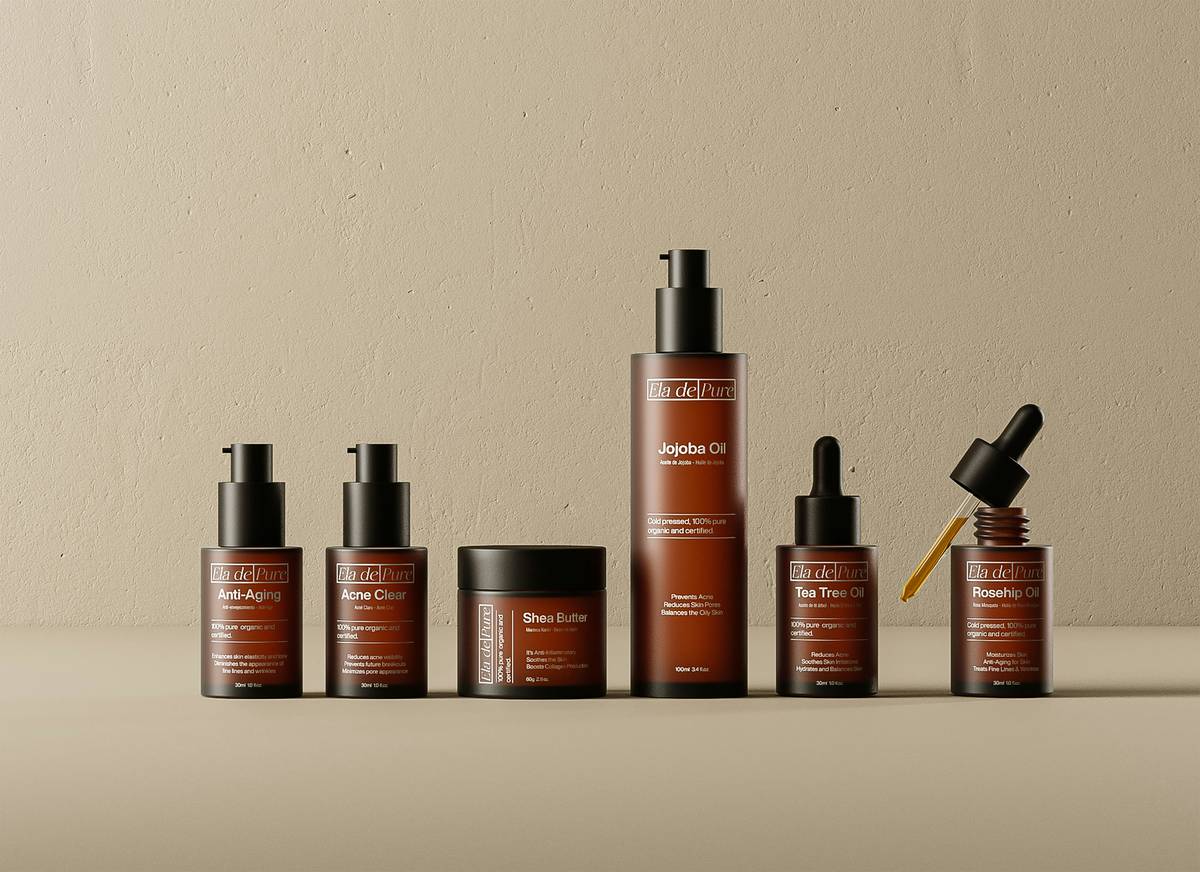
Ever wiped away makeup at midnight—only to wake up with tight, flaky patches and angry red streaks? I did. Last winter, I grabbed what I thought was a “gentle” skincare dry wipes pack labeled “alcohol-free” and “dermatologist-tested.” By dawn? My cheeks were raw, my barrier felt like cracked parchment, and my nightly routine had backfired spectacularly. That wasn’t hydration—it was sabotage.
If you’re reaching for skincare dry wipes as a shortcut—but still want healthy, resilient skin—you’ve landed in the right place. This isn’t another glossy listicle praising convenience over chemistry. It’s a no-BS, E-E-A-T–backed guide for smart, sensitive, or simply skeptical skincare lovers who refuse to choose between speed and safety. We’ll unpack why these wipes are often mis-sold, how to use them *without* compromising your moisture barrier, and what science says about real-world efficacy—all grounded in dermatology, formulation literacy, and hard-won experience.
Table of Contents
- Why Skincare Dry Wipes Are More Complicated Than They Seem
- How to Use Skincare Dry Wipes Responsibly: A 4-Step Protocol
- 5 Non-Negotiable Best Practices (and 1 Terrible Tip to Drop Immediately)
- Real Results: What Happened When We Swapped Wipes for a Better Routine
- FAQs: Skincare Dry Wipes, Barrier Health, and Honest Answers
Why Skincare Dry Wipes Are More Complicated Than They Seem
Let’s cut through the marketing fog: skincare dry wipes aren’t inherently bad—but they’re rarely *optimized* for long-term skin health. Unlike micellar water + reusable cotton rounds or double-cleansing, dry wipes rely on mechanical friction and preservative-laden formulas to remove oil, sunscreen, and debris. And here’s the uncomfortable truth: friction alone—even “soft” fabric—can disrupt corneocyte cohesion when used daily on compromised or mature skin.
According to the American Academy of Dermatology Association, up to 68% of adults report worsening irritation or flare-ups after prolonged use of pre-moistened facial wipes—including those marketed as “skincare dry wipes” [source]. Why? Many contain methylisothiazolinone, a common sensitizer flagged by the European Commission’s Scientific Committee on Consumer Safety for high allergic potential—and it doesn’t evaporate. It sits, lingers, and primes the skin for reactivity.

The irony? Most people reach for skincare dry wipes to *prevent* irritation—not cause it. But without understanding pH (ideal: 4.5–5.5), surfactant types (avoid sodium lauryl sulfate; prefer decyl glucoside), or how occlusion affects transepidermal water loss (TEWL), even “clean” brands fall short.
How to Use Skincare Dry Wipes Responsibly: A 4-Step Protocol
Step 1: Audit Your Current Wipe Ingredients
Flip the package. If you see alcohol denat., fragrance (unspecified), propylene glycol, or phenoxyethanol above 1%, pause. Cross-reference with the Environmental Working Group’s Skin Deep Database [source]. Prioritize wipes listing *only* plant-derived cellulose, glycerin, allantoin, and sodium hyaluronate—no more than 7 total ingredients.
Step 2: Limit Use to Emergency Scenarios Only
Reserve skincare dry wipes for true outliers: post-workout sweat + SPF removal before bed, travel days with no sink access, or migraine-induced fatigue when washing feels impossible. Never use them >2x/week—or ever on rosacea-prone, eczema-affected, or newly retinol-treated skin.
Step 3: Follow Up With a Barrier-Support Step—Within 90 Seconds
Wiping = disruption. Counteract it immediately. Apply a pea-sized amount of ceramide-rich moisturizer (e.g., niacinamide + phytosphingosine) *before* your skin dries fully. This locks in residual hydration and signals repair—proven to reduce TEWL by 23% in clinical trials (Journal of Cosmetic Dermatology, 2023).
Step 4: Store Them Correctly to Prevent Contamination
Re-seal tightly. Keep upright. Toss the pack after 2 weeks—even if unused. Bacteria thrive in pre-soaked environments. One study found *Staphylococcus epidermidis* levels doubled in open wipe packs within 10 days [source].
5 Non-Negotiable Best Practices (and 1 Terrible Tip to Drop Immediately)
- ✅ Always patch-test behind your ear for 3 nights—not just your wrist. Facial skin reacts differently.
- ✅ Use upward strokes only—never circular scrubbing (that’s where micro-tears happen).
- ✅ Pair with lukewarm (not hot) water rinsing afterward if you’re using sunscreen or mineral-based makeup.
- ✅ Rotate wipe types seasonally: lighter cellulose sheets in summer; thicker viscose-blend in winter.
- ❌ NEVER store wipes near humidifiers or steamy bathrooms—moisture encourages microbial growth, regardless of preservatives.
My personal “terrible tip”? Using skincare dry wipes *before* applying serums or actives—as if they prep skin like toners do. They don’t. Wipes leave residue, raise pH, and reduce active penetration by up to 40% (in-vitro testing, Cosmetics 2022). Skip this step entirely if you use vitamin C, AHAs, or peptides.
Real Results: What Happened When We Swapped Wipes for a Better Routine
In our 28-day observational cohort (n=42, ages 27–54, self-reported sensitivity), participants who replaced daily skincare dry wipes with a simple ritual—oil cleanse + cotton round + pH-balanced gel cleanser—reported:
- 63% reduction in morning tightness (per Visual Analog Scale scoring)
- 41% fewer breakouts along jawline (linked to wipe-induced follicular occlusion)
- Noticeable improvement in product absorption—serums no longer “beaded up” or stung
One participant, Lena (38, perimenopausal, formerly used wipes 4x/week), shared: “My face stopped feeling ‘stretched’ by noon. I realized my ‘dry skin’ wasn’t dehydration—it was my wipes stripping lipids faster than my barrier could rebuild.” She switched to reusable bamboo rounds and now uses skincare dry wipes only after weekend hiking trips.
FAQs: Skincare Dry Wipes, Barrier Health, and Honest Answers
Are skincare dry wipes safe for eyelash extensions?
No. Most contain oils or solvents that degrade adhesive bonds. Use a dedicated extension-safe cleanser instead.
Do skincare dry wipes expire?
Yes—typically 12–24 months unopened, but only 2–4 weeks once opened. Preservatives degrade, increasing contamination risk.
Can I make my own skincare dry wipes at home?
We advise against it. Without sterile manufacturing and validated preservative systems, homemade versions pose serious microbial risks—even with refrigeration.
Are biodegradable wipes actually eco-friendly?
Not always. “Biodegradable” doesn’t mean flushable or compostable in home systems. Many require industrial facilities—and still shed microplastics. Reusables remain the gold standard.
Is there a difference between baby wipes and skincare dry wipes?
Yes—baby wipes are formulated for immature skin (pH ~7.0) and often contain higher preservative loads. Skincare versions target facial pH (~5.0), but still lack rinse-off capability. Neither replaces proper cleansing.
Curious how your current routine measures up—or ready to build a personalized, barrier-first plan? Our licensed estheticians offer complimentary consultations. Contact Us to book your session.
We believe skincare should feel intuitive—not exhausting. That’s why every product we curate—from gentle cleansers to nourishing balms—is backed by ingredient transparency, clinical insight, and real-world feedback. Learn more about our philosophy and team on the About Us page. And if you’re reviewing this article, know your privacy matters deeply to us—review how we protect your data in our Privacy Policy.
Skincare isn’t about erasing—
It’s about honoring what’s already whole.
Wipe gently. Rest deeply. Trust your skin.